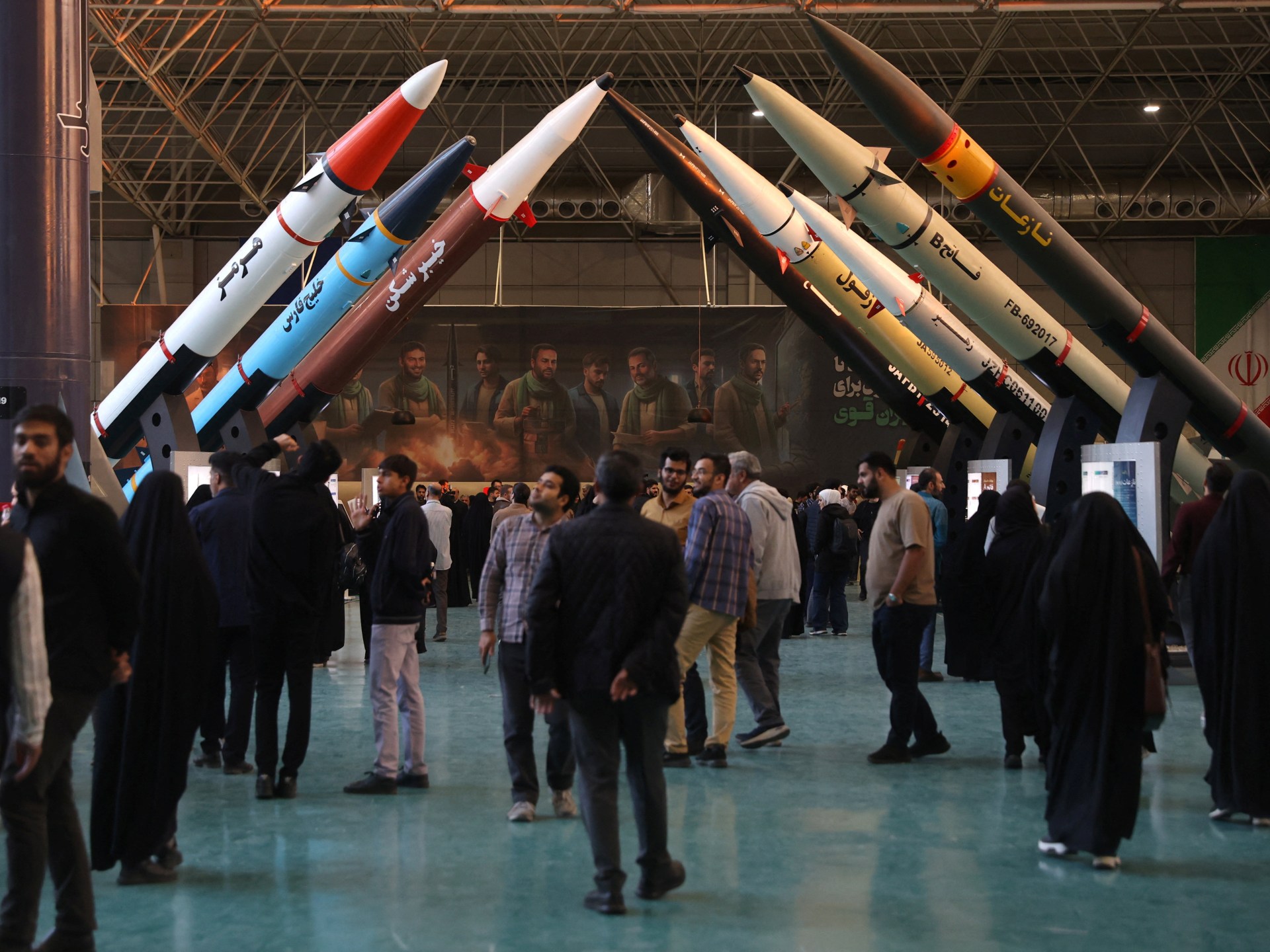
Behind the Iran Attack: Unraveling Alliance Deception and Saudi Involvement
The recent intensification of hostilities against Iran, characterized by a series of devastating strikes attributed to the US-Israel Alliance, has brought the intricate geopolitics of the Middle East into sharp focus. Far from being a spontaneous escalation, these attacks reveal a meticulously planned campaign involving sophisticated intelligence, diplomatic subterfuge, and surprising regional complicity. To fully grasp the gravity of these events and their potential ramifications, it's essential to dissect the layers of deception and strategic coordination that culminated in what has been termed Operations Epic Fury and Roaring Lion. This comprehensive analysis aims to provide a clear understanding of the unfolding iran strategy explained, its underlying motivations, and the complex web of alliances and betrayals that define this critical moment.
The Coordinated Strike: A Deceptive Build-Up
The blueprint for the recent US-Israel Alliance attack against Iran was reportedly laid during a pivotal visit by Israeli Prime Minister Netanyahu to the White House in December 2025. This high-level meeting set the stage for a series of coordinated efforts, transforming strategic discussions into concrete operational plans. Over the ensuing weeks, a flurry of high-ranking Israeli intelligence and military officials, including the Mossad director, the Israeli military intelligence chief, and the IDF chief of staff, made multiple trips to Washington D.C. These visits were dedicated to synchronizing intelligence, logistical capabilities, and tactical approaches for what would become two major military operations.
A crucial element of this preparatory phase was the carefully constructed diplomatic charade designed to lull Iran into a false sense of security. In February 2026, Prime Minister Netanyahu once again traveled to Washington to define the Alliance's demands for any potential negotiations with Iran. These demands were maximalist: a complete cessation of Iran’s nuclear capabilities, an end to its ballistic missile program, and a halt to its support for regional groups such as Hezbollah. While envoys like Jared Kushner and Steve Witkoff reportedly expressed skepticism about achieving a deal on such stringent terms, they were instructed to maintain the illusion of active diplomacy. This allowed the Alliance to buy critical time, giving the Iranians the impression that a peaceful resolution was genuinely being pursued, while simultaneously finalizing their strike plans. The attacks ultimately commenced on a Saturday, timed precisely when Iran’s Supreme Leader Khamenei was engaged in a routine weekly meeting with his aides, alongside simultaneous strikes on two other gatherings of Iranian security and intelligence officials in Tehran.
Saudi Arabia's Dual Role: Public Denial, Private Advocacy
Adding another layer of complexity to this unfolding drama is the significant, albeit clandestine, involvement of Saudi Arabia. According to reports, Saudi Crown Prince Mohammed bin Salman made multiple private phone calls to then-President Trump in the month leading up to the attack, vehemently advocating for a US strike against Iran. This private pressure starkly contrasted with Riyadh’s public stance. In official statements, Saudi Arabia declared that it would not permit the US-Israel Alliance to utilize its territory or airspace for any attack on Iran, thereby creating a public façade of neutrality and non-involvement. This strategic deception aimed to mislead Iran and the broader international community about the true extent of regional support for the Alliance's actions.
This dual approach highlights the deeply entrenched geopolitical rivalries in the Middle East, where alliances are often fluid and strategic interests dictate overt and covert actions. Saudi Arabia's perceived role in this deception underscores a calculated maneuver to achieve its strategic objectives against Iran, while publicly maintaining a position that ostensibly avoids direct confrontation or complicity. Such actions complicate regional stability and demand a closer look at the true nature of power dynamics in the Gulf.
The Decapitation Strategy and its Cost
The Alliance's coordinated strikes were not random acts of aggression but targeted attacks aimed at the heart of Iran's leadership and defense infrastructure. One of the primary targets was a meeting of Iran��s Defense Council, alongside the Supreme Leader's weekly gathering and another assembly of security and intelligence officials. These carefully chosen targets reflect a classic "decapitation strategy"—an attempt to cripple an adversary by eliminating its top leadership and command structure. The intelligence gathering leading to these precise strikes was reportedly facilitated by the CIA, which identified the locations and times of these crucial meetings and then passed the information to Israel for execution.
The human cost of these strikes was devastating for Iran. Among those killed in the attack on the Defense Council meeting were Ali Shamkhani, Iran’s Defense Council secretary and a senior adviser to Ali Khamenei; Chief of the General Staff Abdolrahim Mousavi; Islamic Revolutionary Guard Corps (IRGC) commander Mohammad Pakpour; and Minister of Defense and Armed Forces Logistics Aziz Nasirzadeh. Furthermore, Iranian state media later confirmed the death of Supreme Leader Ayatollah Ali Khamenei on Sunday, a profound blow to the nation's spiritual and political leadership. This strategy, as explored in more detail in our related article Iran War Explained: US-Israel Alliance's Decapitation Strategy, aims to create a vacuum at the top, theoretically disrupting an opponent's ability to respond effectively. However, its long-term effectiveness often depends on the resilience and institutional depth of the targeted state.
Iranian Resilience: A System Designed to Endure
The swift success of the Alliance's initial strikes points to a shocking level of complacency among Iranian officials. Reports suggest that Iran operated on the belief that diplomacy would avert an actual war, rather than preparing for a worst-case scenario where attacks were imminent. This error in judgment, reportedly mirroring a similar miscalculation in July 2025, proved costly. Yet, despite these significant losses and the profound blow to its leadership, Iran has demonstrated a formidable capacity for resilience.
Immediately following the confirmation of Khamenei’s death, the Islamic Revolutionary Guard Corps (IRGC) vowed "the heaviest offensive operations in the history of the armed forces of the Islamic Republic against occupied lands and the bases of American terrorists." Iran's army chief, Amir Hatami, also pledged continued defense of the country, with the army claiming its fighter jets had bombed US bases across the Gulf region. This rapid, unified response underscores a critical aspect of the iran strategy explained: the country has meticulously built a robust system of institutions that ensures the Iranian state is not solely dependent on any single individual. This institutional depth allows Iran to withstand "decapitation strikes" and maintain continuity in governance and military command, even in the face of immense pressure. Our analysis in Iran Strategy Under Fire: Decapitation Strikes and Regime Resilience delves deeper into this inherent strength, highlighting Iran's historical capacity to absorb shocks and retaliate. While Western media often focuses on immediate impacts, it's also worth noting how regional perspectives, such as those from the Oman Foreign Minister, which were largely ignored by mainstream outlets, often offer a more nuanced view of the long-term strategic calculations at play.
Conclusion
The recent attacks against Iran represent a watershed moment in Middle Eastern geopolitics, revealing a complex tapestry woven with strategic deception, coordinated military action, and surprising regional alignments. The meticulously planned US-Israel Alliance strikes, facilitated by intelligence and underpinned by Saudi Arabia's covert advocacy, have dealt a significant blow to Iran's leadership. However, to truly understand the ongoing iran strategy explained, one must look beyond the immediate casualties to Iran's inherent institutional resilience and its capacity for sustained retaliation. As the region braces for continued escalation, the implications of these events—from the cynical manipulation of diplomacy to the enduring struggle for regional hegemony—will undoubtedly reshape alliances and define the future trajectory of the Middle East for years to come.