Iran War Explained: Unpacking the US-Israel Alliance's Decapitation Strategy
The recent escalation in the Middle East has thrust the US-Israel Alliance's bold military actions against Iran into the global spotlight. What began as a series of coordinated strikes has rapidly evolved into a full-blown conflict, raising critical questions about regional stability and the future of international diplomacy. At the heart of this unfolding crisis lies a meticulously planned "decapitation strategy"—a high-stakes gamble designed to cripple Iran's leadership and strategic capabilities. To truly understand the current landscape and the profound implications for all parties, it's essential to analyze the tactical genesis, deceptive maneuvers, and Iran's complex response. This comprehensive overview offers a deep dive into the core components of the iran strategy explained, from its secretive inception to its fiery repercussions.
The Genesis of the Decapitation Strategy: A Coordinated Offensive
The current offensive by the US-Israel Alliance against Iran was not a spontaneous act but the culmination of months of intense, high-level coordination. The groundwork was laid during a critical visit by Israeli Prime Minister Netanyahu to the White House in December 2025. This meeting served as the foundational moment, where the overarching strategy was reportedly agreed upon. What followed was a flurry of secretive diplomatic and military consultations, underscoring the gravity and complexity of the impending operations.
In the weeks succeeding Netanyahu's Washington visit, the Mossad director made two discreet trips to the US capital. These were closely followed by visits from Israel's military intelligence chief and the IDF Chief of Staff. Such a high concentration of senior Israeli security officials in Washington DC, all within a short timeframe, unmistakably pointed to the meticulous planning of a major joint operation. These discussions were pivotal in shaping what would later be known as Operations Epic Fury and Roaring Lion—the code names for the multi-pronged assault on Iranian targets.
By February, Netanyahu again traveled to Washington, this time to explicitly define the Alliance's demands from Iran for any future negotiations. These demands were uncompromising: a complete dismantling of Iran’s nuclear capabilities, an end to its ballistic missile program, and a cessation of its support for regional proxy groups like Hezbollah. While the stated aim was to define terms for diplomacy, skepticism ran high among certain US officials. Trump's envoys, Jared Kushner and Steve Witkoff, reportedly harbored doubts about the feasibility of securing a deal based on such stringent demands. Their instruction, however, was to maintain the façade of ongoing negotiations, creating a diplomatic illusion that would ultimately serve as a strategic diversion for the impending military action. This period of feigned diplomacy is a crucial aspect of the iran strategy explained, highlighting the deliberate use of misdirection.
Deception and Strategic Strikes: The Alliance's Tactical Playbook
The element of deception played a pivotal role in the Alliance's strategy, creating an environment of false security for Iran. While diplomatic overtures continued, covert preparations for the attack were finalized. Last Saturday, the Alliance executed its primary objective: a synchronized strike while Iran’s Supreme Leader Khamenei was engaged in a routine weekly meeting with his aides. Concurrently, two other gatherings of senior Iranian security and intelligence officials in Tehran were targeted. This simultaneous assault on key leadership figures and critical intelligence hubs underscores the "decapitation" aspect of the strategy—aiming to sever the head of Iran's command structure.
Adding another layer to this intricate web of deception was the surprising, yet strategic, involvement of Saudi Arabia. Despite publicly declaring that it would not permit the US-Israel Alliance to utilize its territory or airspace for an attack on Iran, Saudi Crown Prince Mohammed bin Salman privately made multiple phone calls to Trump over the preceding month, actively advocating for a US attack. This dual approach allowed Riyadh to maintain a public stance of neutrality while covertly supporting the Alliance's objectives, further contributing to Iran's misjudgment of the looming threat. For more on this complex interplay, read Behind the Iran Attack: Alliance Deception & Saudi Involvement.
The impact of these strikes was devastating for Iran. One of the key meetings targeted was that of Iran's Defense Council. The attack resulted in the deaths of several high-ranking officials, including Ali Shamkhani, Secretary of Iran’s Defense Council and a senior adviser to Ali Khamenei; Chief of the General Staff Abdolrahim Mousavi; Islamic Revolutionary Guard Corps (IRGC) commander Mohammad Pakpour; and Minister of Defense and Armed Forces Logistics Aziz Nasirzadeh. The precision and timing of these attacks suggest an extraordinary level of intelligence gathering. Indeed, reports indicate that the CIA successfully pinpointed the location and timing of these crucial meetings, subsequently passing this critical intelligence to Israel for the execution of the strikes.
Iranian Complacency vs. Systemic Resilience: A Dual Perspective
The success of the Alliance's initial strikes points to a startling level of complacency within Iran's security apparatus. Despite rising regional tensions and a history of similar incidents, Iranian officials seemingly operated under the assumption that ongoing diplomacy would avert direct military conflict. This echoes a similar strategic miscalculation made in July 2025, suggesting a recurring vulnerability in Iran's threat assessment. The failure to adopt a "worst-case scenario" mindset—where attacks are considered imminent—left key leadership exposed and vulnerable to the Alliance's decapitation efforts.
However, while complacency proved costly in the immediate aftermath, it is crucial to consider Iran's long-term institutional strategy. In its defense, Iran has consciously built a robust system of governance and defense institutions designed to ensure the continuity of the state even in the absence of specific individuals. This institutional resilience aims to prevent the entire system from collapsing due to the loss of any single leader or group of officials. The belief is that the Iranian state is not solely dependent on its Supreme Leader or military commanders, but rather on a deeper, interconnected network of organizations and protocols.
This raises a critical question regarding the long-term efficacy of a decapitation strategy. While the immediate removal of senior leadership undoubtedly creates chaos and disruption, Iran's established framework is theoretically designed to withstand such shocks, allowing for succession and continued operations. The true test of this resilience will be how effectively Iran's institutions can absorb these losses and maintain command and control in the face of ongoing hostilities. Exploring this further, you can delve into Iran Strategy Under Fire: Decapitation Strikes and Regime Resilience.
Iran's Retaliation: The Aftermath of Decapitation
The Alliance's decapitation strategy, while initially successful in striking key Iranian leadership, has not gone unanswered. Following the confirmed death of Supreme Leader Ayatollah Ali Khamenei and other senior officials on Sunday, Iran appeared determined to avenge these profound losses. The Islamic Revolutionary Guard Corps (IRGC), despite the reported loss of its commander, swiftly vowed "revenge" and launched what it described as "the heaviest offensive operations in the history of the armed forces of the Islamic Republic against occupied lands and the bases of American terrorists."
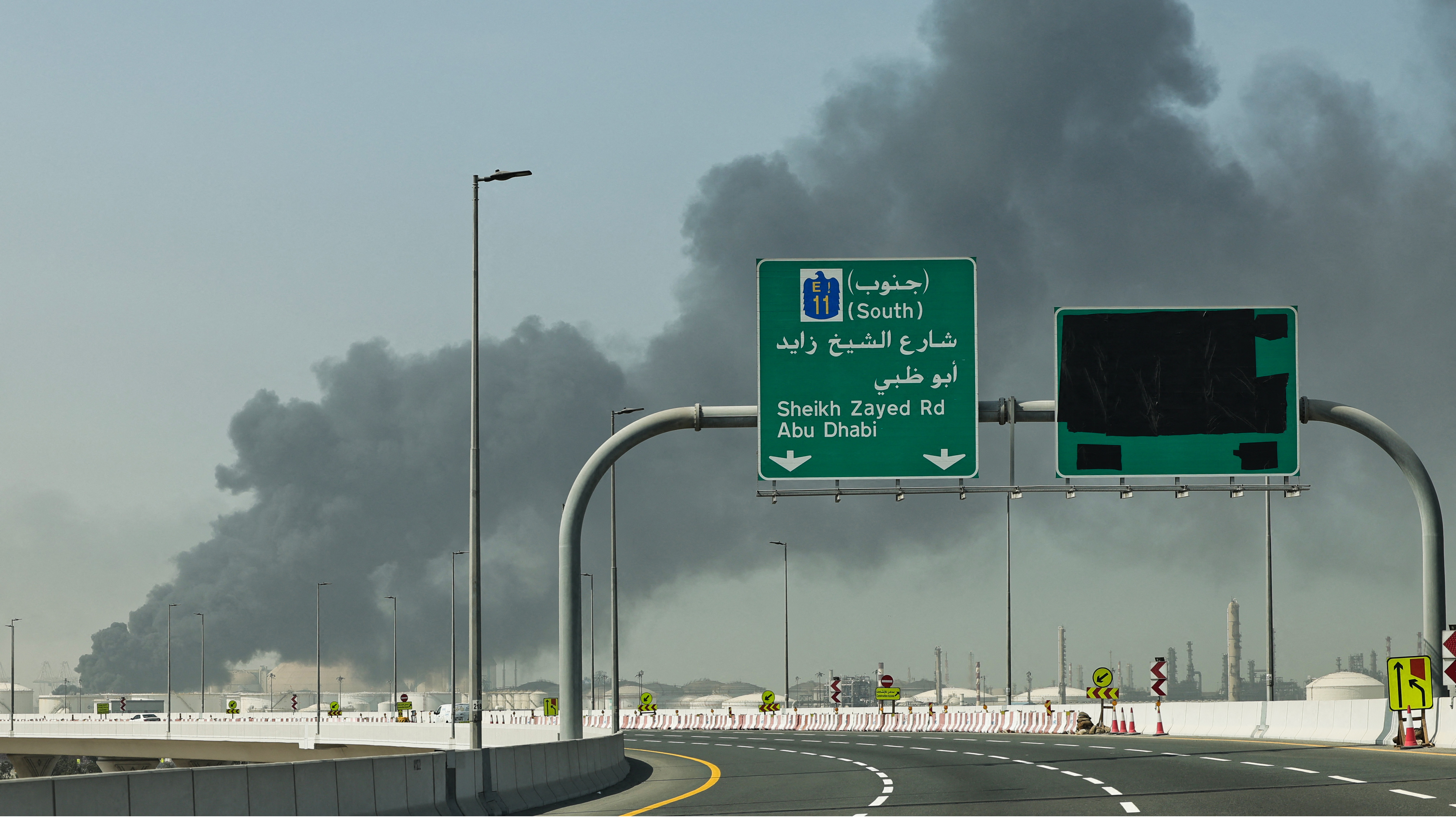
On Monday, Tehran continued its retaliatory strikes, targeting both Israeli and United States military assets across the Gulf. Iran’s army chief, Amir Hatami, also pledged the military's unwavering commitment to defending the country. The army further claimed its fighter jets had bombed US bases across the Gulf region, demonstrating Iran's capability and willingness to project force beyond its borders. This immediate and robust response indicates that despite the severe blow to its leadership, the overarching iran strategy explained, particularly its military doctrine, appears to have remained intact, or at least quickly adapted. This is not the first instance Iran has targeted Israel and US interests, suggesting a consistent strategic resolve to respond to perceived aggressions.
The swiftness and scale of Iran's retaliation underscore a crucial aspect: while decapitation strikes can disrupt, they do not necessarily paralyze. The institutional framework and a deep-seated doctrine of resistance, even in the face of immense pressure, appear to be driving Iran's counter-offensive. The effectiveness of the Alliance's strategy will ultimately be judged not just by the immediate impact of its strikes, but by Iran's ability to maintain its operational capacity and retaliatory posture in the long run.
The unfolding conflict driven by the US-Israel Alliance's decapitation strategy against Iran is a stark reminder of the volatile dynamics in the Middle East. The meticulously coordinated strikes, underpinned by a sophisticated strategy of deception and intelligence, delivered a severe blow to Iran's leadership. However, Iran's subsequent, forceful retaliation highlights the limits of such a strategy, particularly against a state that has ostensibly built systemic resilience into its governing and military structures. The world now watches as the region grapples with the fallout, pondering whether this high-stakes gamble will truly achieve its objectives or merely usher in a new, more dangerous phase of conflict. The efficacy of the iran strategy explained by the Alliance will be tested by the enduring strength of Iranian institutions and its capacity to sustain its retaliatory campaign.